
Anal abscess and fistula-in-ano are related anorectal conditions commonly caused by infection of glands inside the anal canal. An anal abscess is a collection of infected fluid or pus, while an anal fistula is an abnormal tunnel connecting the anal canal to the skin near the anus. Patients may experience persistent pain, swelling, discharge, recurrent abscesses or irritation around the anal opening. Treatment depends on whether the condition is an acute abscess, a simple fistula or a complex fistula involving the anal sphincter muscles. Dr. Sushant Wadhera provides evaluation and surgical treatment for anal fistula and perianal abscess in Delhi, with treatment planned according to the location and complexity of the fistula.

Fistula In Ano
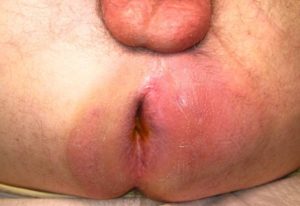
Anal abscess
What causes Anal Abscess and Fistula in Ano
Anal Abscess
They are the result of an acute infection in the internal anal glands. Bacteria, fecal material or foreign matter clogs an anal gland, which becomes infected and the pus collects in a cavity called an Anal Abscess.
Fistula in Ano
An anal fistula commonly develops in association with an anorectal abscess. Some patients have a fistula at the time the abscess is diagnosed, while others may develop one after the abscess has been drained. It is a tunnel which forms under the skin and connects to the anal canal. It is formed as the clogged infected glands burst into the anal canal. A Fistula in Ano can be present in certain other diseases like Crohn’s Disease.
Symptoms of Anal Abscess
- Constant or throbbing pain around the anus
- Pain while sitting
- Swelling or a tender lump
- Redness around the anus
- Pus discharge
- Fever or feeling unwell in some cases
- Increasing pain during bowel movements
Symptoms of Anal Fistula
- Recurrent pus or fluid discharge
- Small opening near the anus
- Recurrent swelling around the same area
- Pain and irritation
- Blood-stained discharge in some cas

Fistula In Ano
es
- Previous history of anal abscess
- Repeated episodes of abscess formation
What are the treatment options?
Medical management with Antibiotics alone is usually not sufficient.
Surgery is the mainstay of treatment.
Anal Abscess
These need to be incised & drained.
Sometimes may require wound debridement along with the drainage.
Fistula in Ano
Fistulectomy/ Fistulotomy
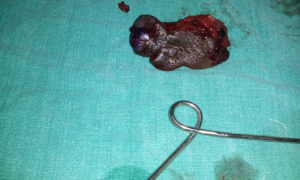
Fistulectomy Specimen
The entire fistulous tunnel is removed. As a result, there is a very low recurrence rate (<1-2 %)
It is the most effective surgical method.
KNOW MORE FISTULA SURGICAL OPTIONS
Another painful condition is Fissure in Ano..
Frequently Asked Questions
1. What is an anal abscess?
An anal abscess is a collection of pus that develops near the anus or rectum, usually due to infection of the small glands in the anal canal. It can cause severe pain, swelling, tenderness, and sometimes fever.
2. What is an anal fistula?
An anal fistula is an abnormal tunnel that develops between the anal canal and the skin around the anus. It commonly develops after an anal abscess has drained or been treated.
3. What is the difference between an anal abscess and an anal fistula?
An anal abscess is an active collection of infection and pus, while an anal fistula is a persistent abnormal tract between the anal canal and the surrounding skin. An abscess may sometimes lead to the development of a fistula.
4. What are the common symptoms of an anal fistula?
Common symptoms include repeated swelling near the anus, pus or fluid discharge, pain, skin irritation, recurrent abscesses, and a small opening near the anal area.
5. Can an anal fistula heal without surgery?
Most established anal fistulas do not heal permanently on their own. Surgery is commonly required, although the type of procedure depends on the location, complexity, and involvement of the anal sphincter muscles.
6. How is an anal fistula diagnosed?
Diagnosis usually involves a medical history and physical examination. In complex or recurrent cases, tests such as MRI of the pelvis, endoanal ultrasound, or examination under anaesthesia may be recommended.
7. What are the treatment options for anal fistula?
Treatment may include fistulotomy, fistulectomy, seton placement, LIFT procedure, advancement flap, or selected minimally invasive techniques. The most appropriate treatment depends on the fistula anatomy and sphincter involvement.
8. What is fistulotomy?
Fistulotomy is a surgical procedure in which the fistula tract is opened so that it can heal from the inside out. It is commonly used for suitable simple or low anal fistulas.
9. What is a seton treatment for anal fistula?
A seton is a surgical thread or loop placed through the fistula tract to allow drainage and help manage fistulas involving a significant portion of the sphincter muscle. It may be used as part of staged treatment.
10. Can an anal fistula come back after surgery?
Yes, recurrence is possible. The risk depends on factors such as fistula complexity, branching tracts, previous surgery, underlying medical conditions, and the procedure performed.
11. Is an anal abscess an emergency?
An anal abscess may require prompt medical attention, especially if there is severe pain, increasing swelling, fever, chills, or spreading redness. Established abscesses often require drainage.
12. Are antibiotics enough to treat an anal abscess?
Antibiotics alone are usually not sufficient for an established anal abscess because the pus collection often needs to be drained. Antibiotics may also be prescribed in selected cases depending on the infection and the patient’s health.
13. How long does recovery take after anal fistula surgery?
Recovery depends on the type of procedure and complexity of the fistula. Some patients can return to routine activities relatively soon, while complex fistulas may require longer healing and follow-up.
14. Can anal fistula surgery affect bowel control?
The risk depends on how much sphincter muscle is involved and which procedure is performed. For complex fistulas, sphincter-preserving procedures may be considered to reduce the risk of continence problems.
15. When should I consult a doctor for an anal fistula or abscess?
You should seek medical evaluation if you have persistent anal pain, swelling, pus discharge, recurrent abscesses, fever, or a repeated opening near the anus. Early assessment can help identify the condition and plan appropriate treatment.