
Gallstones are one of the most common digestive problems, and many people discover them on a routine ultrasound. Some never cause trouble, while others lead to repeated attacks of pain, infection, jaundice or pancreatitis. When gallstones cause symptoms, removing the gallbladder by laparoscopic (keyhole) surgery is the standard, permanent treatment.
Dr. Sushant Wadhera provides evaluation and laparoscopic and single-incision gallbladder surgery in Delhi for patients with gallstones and related gallbladder conditions.
What is the Gallbladder?
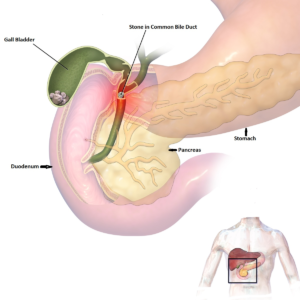
The gallbladder is a small, pear-shaped organ located below the liver in the upper right part of the abdomen. It stores bile, a digestive juice made by the liver, and releases it into the intestine after meals to help digest fats.
What Causes Gallstones?
Gallstones form when bile contains too much cholesterol or bilirubin, or when the gallbladder does not empty properly. Common risk factors include:
- Obesity and rapid weight loss
- Female sex, pregnancy and hormonal factors
- Age above 40 and family history
- Diabetes and high cholesterol
- Long gaps between meals or very low-fat diets
- Certain blood disorders and infections
Symptoms of Gallstones
- Pain in the upper right or middle upper abdomen, often after oily or heavy meals
- Pain spreading to the back or right shoulder
- Nausea, vomiting, bloating and excessive burping
- Fever with pain, suggesting infection of the gallbladder
- Yellowing of the eyes or skin (jaundice), dark urine or pale stools
Gallstone pain happens when a stone blocks the neck of the gallbladder. It can be severe and colicky, may need strong painkillers or hospital admission, and is often accompanied by nausea and vomiting.
Complications of Untreated Gallstones
- Acute cholecystitis: infection and inflammation of the gallbladder
- Bile duct stones: stones slipping into the bile duct, causing jaundice or cholangitis
- Gallstone pancreatitis: a potentially serious inflammation of the pancreas
- Difficult gallbladder: repeated attacks cause scarring that makes surgery more complex
This is why surgery is usually advised soon after gallstones start causing symptoms, rather than waiting for complications.
Treatment of Gallbladder Stones
Once gallstones have caused pain or complications, the gallbladder is considered diseased and needs to be removed. This operation is called cholecystectomy. Removing only the stones is not recommended, because new stones form again in the gallbladder. Medicines cannot reliably dissolve gallstones.
Open vs Laparoscopic Gallbladder Surgery
| Open Cholecystectomy | Laparoscopic Cholecystectomy | |
|---|---|---|
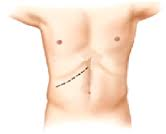
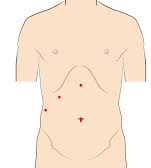
| Incision | Long cut below the right ribs | Small 5 mm and 10 mm keyhole punctures |
| Pain | More | Much less |
| Hospital stay | Several days | Usually within 24 hours |
| Return to work | Prolonged bed rest and time off | Most patients within 2–3 days |
| Scar | Large visible scar | Tiny scars |
Today, open surgery is reserved for rare, complex situations. Most patients are treated laparoscopically.
Single-Incision Gallbladder Surgery in South Delhi
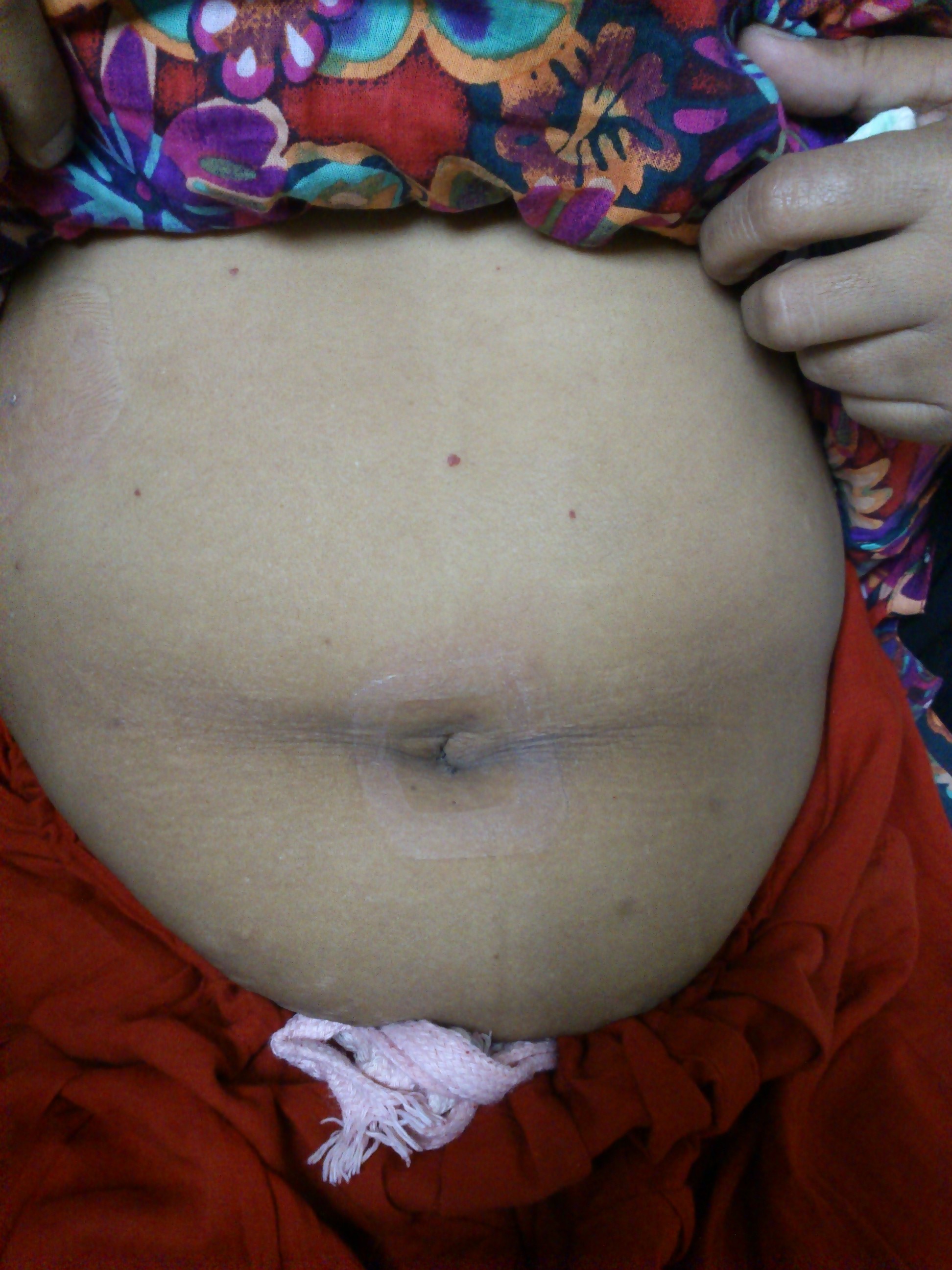
Single-incision laparoscopic surgery (SILS) removes the gallbladder through one small incision of about 2–2.5 cm hidden inside the belly button, instead of the three or four separate cuts used in conventional laparoscopy. Once healed, the scar is usually barely visible.
The operation is done under general anaesthesia using specialised instruments and a camera passed through the same single opening. Most patients walk within a few hours, go home within 24 hours and return to desk work within a few days.
Who is suitable? SILS works well for most patients with uncomplicated gallstones. Conventional laparoscopy may be the safer choice if the gallbladder is severely inflamed or infected, if there has been previous upper abdominal surgery, or if other findings make the operation more complex. Dr. Wadhera will advise which approach is right after reviewing your ultrasound and reports. If needed during surgery, a single-incision operation can be safely converted to standard laparoscopy.
Know more about single-incision gallbladder surgery or read a patient case of scarless gallbladder surgery.
Diagnosis of Gallbladder Stones
Accurate diagnosis is the first step. Your surgeon checks for gallstones and any related complications before planning treatment.
Ultrasound: abdominal ultrasound is the most commonly used test. It can detect even small stones, thickening of the gallbladder wall and signs of inflammation.
Blood tests: liver function tests show whether there is jaundice or inflammation of the liver. Other baseline and specialised tests are advised as per the clinical condition.
Specialised Tests and Procedures
MRCP: a specialised MRI of the liver ducts, common bile duct and pancreatic duct. It is advised if the bile ducts are dilated, if duct stones are suspected or if the patient has jaundice.
ERCP: an endoscopic procedure done under anaesthesia to clear stones from the common bile duct and place a stent if needed, usually before gallbladder surgery. It is advised for patients with a blocked bile duct.
Your surgeon also reviews your medical history, symptoms and family history before recommending laparoscopic gallbladder surgery.
Benefits of Laparoscopic Cholecystectomy
Your surgeon will assess whether laparoscopic surgery is suitable for you based on your scans, symptoms and overall health. The main benefits of laparoscopic gallbladder removal are:
- Less pain and faster recovery
- Small wounds that heal quickly, with minimal scarring
- Lower chance of wound infection and other complications
- Short hospital stay, usually within 24 hours
- Option of single-incision (scarless) surgery in suitable patients
Recovery After Gallbladder Surgery
- Same day: most patients walk and take liquids within a few hours.
- Hospital stay: usually discharged within 24 hours after uncomplicated surgery.
- Diet: start with light meals and gradually return to a normal diet. Avoiding very oily food for the first few weeks helps.
- Work: most patients return to desk work within 2–3 days.
- Exercise and heavy lifting: resume gradually, as advised by your surgeon.
Gallbladder Surgery for Patients from Greater Kailash
Dr. Sushant Wadhera treats gallstone patients from Greater Kailash I & II, Chirag Enclave, Nehru Place, CR Park, East of Kailash, Kalkaji and across South Delhi. Consultations take place at the clinic in Sarita Vihar, and surgery can be arranged at associated hospitals close to Greater Kailash, including Fortis C-DOC (Chirag Enclave) and Apollo Spectra (Nehru Place), depending on your clinical needs and insurance.
Whether you have occasional pain after meals, a gallstone found on a routine ultrasound or repeated attacks of gallbladder pain, you’ll get a clear explanation of your options, including whether single-incision or conventional laparoscopic surgery suits you best.
Patients from South Delhi can read more about single-incision gallbladder surgery near Greater Kailash.
Why Consult Dr. Sushant Wadhera for Gallbladder Surgery in Delhi?
Dr. Sushant Wadhera provides evaluation and surgical treatment for gallstones and related gallbladder conditions in Delhi, including single-incision surgery and difficult gallbladder cases.
Treatment is planned after reviewing the patient’s symptoms, ultrasound findings, blood investigations and any evidence of bile duct stones or associated complications.
Dr. Sushant Wadhera
MBBS, MS (General Surgery), FNB (Minimal Access Surgery)
Member, European Association for Endoscopic Surgery (EAES)
Bariatric, Laparoscopic & General Surgeon
Frequently Asked Questions
What are the first symptoms of gallstones?
Gallstones may cause no symptoms. When symptoms occur, upper-right abdominal pain, often after meals, along with nausea or vomiting is common.
Do all gallstones require surgery?
No. Silent gallstones generally do not require treatment. Surgery is commonly considered when gallstones cause recurrent pain or complications.
Which test is commonly used to detect gallstones?
Abdominal ultrasound is usually the first imaging test used to diagnose gallstones.
What is laparoscopic cholecystectomy?
It is a minimally invasive operation in which the gallbladder is removed through small abdominal incisions using a camera and surgical instruments.
Is single-incision gallbladder surgery better than conventional laparoscopy?
Both are safe, established techniques. Single-incision surgery leaves a scar hidden in the belly button, which many patients prefer. Conventional laparoscopy may be safer in complicated or severely inflamed gallbladders. The choice depends on your scans and overall health.
Why is the entire gallbladder removed instead of only the stones?
If only stones are removed while the gallbladder remains, new stones can develop again. Cholecystectomy removes the organ where gallstones form.
Can I live normally without a gallbladder?
Yes. The gallbladder is not essential for normal life. Bile continues to travel from the liver directly into the intestine after surgery.
What should I eat after gallbladder surgery?
Start with light, low-fat meals and gradually return to a normal balanced diet over a few weeks. Most people eventually eat normally, though some find very oily or heavy meals are better avoided.
When is ERCP required?
ERCP may be required when a gallstone is suspected or confirmed in the common bile duct and needs to be removed or the obstruction relieved.
Can gallstones cause pancreatitis?
Yes. A stone can block the drainage pathway near the pancreas and lead to gallstone pancreatitis.
How long is recovery after gallbladder surgery?
Recovery varies between patients. Uncomplicated laparoscopic surgery generally allows discharge within 24 hours and return to desk work within a few days, while complicated gallstone disease may need longer recovery.
Can gallstones come back after gallbladder removal?
Gallstones cannot re-form inside a gallbladder once it has been removed. However, stones can occasionally be present or develop in the bile ducts, which is a different condition.
Is gallbladder surgery covered by health insurance?
Gallbladder surgery is covered by most health insurance policies, subject to your policy’s terms and waiting periods. Please check with your insurer. The clinic can guide you on the documents needed at the hospital.
Who should I consult for gallbladder stone treatment in Delhi?
Patients with gallstones, upper abdominal pain after meals or a gallstone found on ultrasound can consult a surgeon experienced in laparoscopic and single-incision gallbladder surgery. Dr. Sushant Wadhera provides evaluation and treatment in Delhi, including for patients from Greater Kailash, Nehru Place and across South Delhi.
