What Is Laparoscopic Surgery?
During laparoscopic surgery, small incisions are made in the abdomen and ports are inserted. Carbon dioxide gas is usually introduced to create working space, and a laparoscope connected to a camera provides a clear view of the abdominal cavity.
Additional instruments are inserted through small ports to perform the required operation. At the end of the procedure, the instruments are removed and the incisions are closed.
Most therapeutic laparoscopic abdominal surgeries are performed under general anaesthesia, although the exact anaesthesia plan depends on the procedure and individual patient.
GALL BLADDER STONES
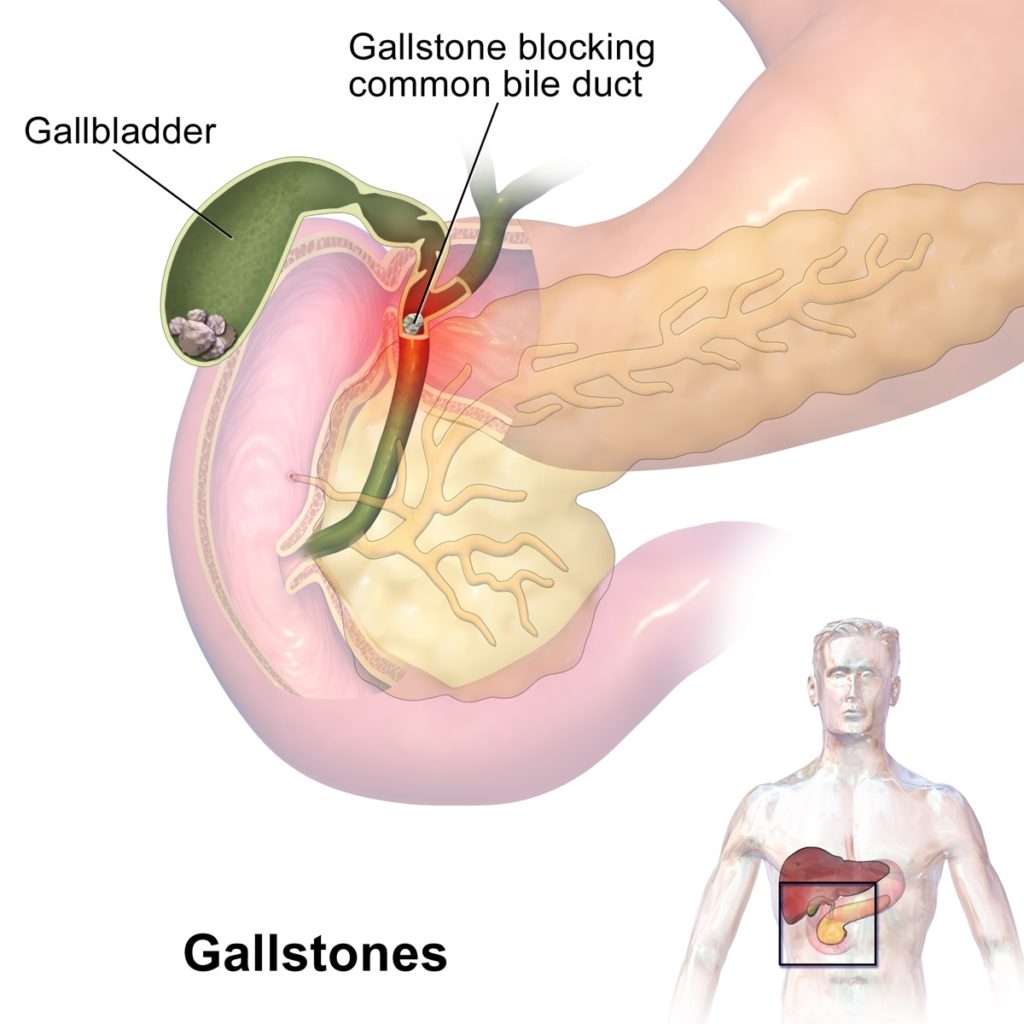
- Gall Bladder is a pear shaped organ , situated below the liver in the right upper quadrant of the abdomen. It’s acts like a very small reservoir of bile juice
- Gall stones formation is due to many causes like obesity, hormonal causes, infections etc.
- Pain in upper abdomen occurs due to the stones getting stuck at the neck of the gall bladder.
- Other features can be jaundice, fever, vomiting, excessive burping
- Pain is severe and colicky and may require strong painkillers the and even hospitalization. It is usually associated with nausea and vomiting
Management of Gall Bladder Stones
If the gall stones have formed and have cause Colicky pain then the gall bladder has become diseased and has to be surgically removed (cholecystectomy)
Open Cholecystectomy
- Traditionally long incision was given.
- Below the right side of the ribs.
- This lead to long hospitalizaton, prolonged.
- Bed rest and long absence from work.
Laparoscopic Cholecystectomy
- This inovolves making small 5mm and 10mm
- punctures. This leads to early mobilization and
- discharge from hospital. Most of the patients are
- able to go to work within 2-3 days after the procedure.
Single Incision Laparoscopic Surgery
This is the latest technology of doing the cholecystectomy using specialized instruments .
Single-incision laparoscopic surgery uses one incision, usually placed in or around the belly button, so the scar is usually less noticeable once healed. It suits selected patients.
Know more about Single Incision Surgeries.
Dr. Sushant Wadhera
MBBS (Manipal 2004), MS General Surgery (DAVV Indore 2008), FNB Minimal Access Surgery (NBE)
Fellowship Sir Ganga Ram Hospital, New Delhi | Member EAES
Registration: Delhi Medical Council Reg. No. 42170 |
Status: Active |
Practicing Since: 2004
Affiliations (for information only): Fortis C-DOC Hospital, Chirag Enclave | PSRI Hospital, Sheikh Sarai | MASSH Hospital | SCI Hospital, Delhi
Clinic: C-379, Ground Floor, Pocket C, Sarita Vihar, New Delhi - 110076
Hours: Mon-Sat 9AM-9PM, Sun Closed |
Phone/WhatsApp: +91-7011165994 |
Email: sushantwadhera@gmail.com
Disclosure: This website provides educational information only and is not an advertisement or solicitation. Outcomes vary between patients and none is guaranteed. Treatment decisions depend on individual clinical evaluation. Risks of surgery may include bleeding, infection, conversion to open surgery and bile leak. Please discuss with your treating doctor. Patient testimonials are shown only with consent.