
Mini Gastric Bypass Surgeon in Delhi
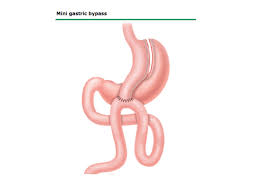 Laparoscopic Mini Gastric Bypass also called Omega Loop Gastric Bypass, Sleeve Bypass or Billroth-II Bypass is another form of Gastric Bypass. In this the Gastric pouch is like a long sleeve which is anastomosed (joined) to the intestines, making a loop thereby finishing the procedure with only single anastomosis.
It has a theoretical advantage over RYGB in causing no intestinal obstruction in long term follow up. The results of excess weight loss and resolution of co morbidities is similar to that of RYGB. This procedure is primarily a malabsorptive procedure as compared to the classical RYGB.
The patient has a better capacity and tolerance to quantity of the food but as it causes more malabsorption the frequency of stools is increased. Post MGB, we have seen brilliant results in special subtype of our population.
What Is Mini Gastric Bypass?
Mini Gastric Bypass is a type of weight-loss surgery that combines a smaller stomach pouch with intestinal bypass.
During surgery:
A long, narrow gastric pouch is created.
A portion of the small intestine is bypassed.
The intestine is connected to the newly created stomach pouch.
Food follows a shorter digestive pathway after surgery.
Because only one main stomach-to-intestine connection is created, the procedure is also called One Anastomosis Gastric Bypass.
How Does Mini Gastric Bypass Help With Weight Loss?
Mini Gastric Bypass supports weight loss through several mechanisms.
The smaller stomach pouch helps patients feel full with smaller meals, while changes in the digestive pathway can reduce the absorption of some nutrients and influence hormones involved in hunger, fullness and blood-sugar regulation.
Weight loss also helps improve several obesity-related health conditions in appropriately selected patients.
Who May Be Considered for Mini Gastric Bypass?
Mini Gastric Bypass may be considered for selected patients after a complete bariatric assessment.
Factors considered include:
BMI and degree of obesity
Type 2 diabetes
High blood pressure
Sleep apnea
Fatty liver disease
Previous weight-loss attempts
Eating habits
Reflux symptoms
Previous abdominal or bariatric surgery
Nutritional status
Ability to follow long-term dietary and medical recommendations
The most suitable bariatric procedure differs from patient to patient.
Potential Benefits of Mini Gastric Bypass
Potential benefits in appropriately selected patients may include:
Significant weight loss
Improvement in type 2 diabetes
Improvement in high blood pressure
Improvement in abnormal cholesterol levels
Improvement in sleep apnea
Improvement in fatty liver disease
Better mobility and physical activity
Reduction in several obesity-related health risks
The degree of improvement varies between patients and cannot be guaranteed.
Mini Gastric Bypass vs Roux-en-Y Gastric Bypass
Both procedures are established forms of bariatric surgery but differ in their anatomy.
Mini Gastric Bypass / OAGB
One main stomach-to-intestine connection
Long, narrow gastric pouch
Part of the small intestine is bypassed
Significant metabolic and weight-loss effects
Requires long-term nutritional monitoring
Roux-en-Y Gastric Bypass
Smaller gastric pouch
Two intestinal connections
Part of the digestive tract is bypassed
Strong metabolic and weight-loss effects
Requires long-term nutritional monitoring
Neither procedure is automatically better for every patient. Procedure selection depends on the patient’s medical condition, reflux symptoms, BMI, eating behaviour and nutritional status.
Mini Gastric Bypass and Type 2 Diabetes
Mini Gastric Bypass can improve blood-sugar control in many patients with obesity and type 2 diabetes.
Improvement may occur due to:
Weight reduction
Improved insulin sensitivity
Reduced insulin resistance
Changes in gut hormones
Reduced visceral fat
Some patients may be able to reduce their diabetes medicines after surgery, while others may continue to require treatment.
Diabetes medicines should only be changed under medical supervision.
Risks and Considerations of Mini Gastric Bypass
Like any major bariatric operation, Mini Gastric Bypass has potential risks.
Possible early complications may include:
Bleeding
Infection
Leakage from the staple line or intestinal connection
Blood clots
Anaesthesia-related complications
Possible longer-term concerns may include:
Iron deficiency
Vitamin B12 deficiency
Vitamin D and calcium deficiency
Protein deficiency
Marginal ulcers
Bile reflux
Persistent reflux symptoms
Excessive weight loss in some patients
Need for revision or additional surgery in selected cases
Proper patient selection and long-term follow-up are important after surgery.
Bile Reflux After Mini Gastric Bypass
Bile reflux is an important consideration after Mini Gastric Bypass because of the way the stomach pouch is connected to the intestine.
Not every patient develops bile reflux, but persistent symptoms such as upper abdominal discomfort, nausea, vomiting or reflux should be evaluated.
Patients with significant pre-existing reflux symptoms should be assessed carefully before choosing the most appropriate bariatric procedure.
Nutritional Follow-Up After Mini Gastric Bypass
Long-term nutritional monitoring is essential after Mini Gastric Bypass because part of the small intestine is bypassed.
Monitoring may include:
Complete blood count
Iron and ferritin
Vitamin B12
Folate
Vitamin D
Calcium
Protein levels
Other micronutrients when required
Patients may need long-term vitamin and mineral supplementation according to their bariatric team’s recommendations.
Recovery After Mini Gastric Bypass
Recovery varies according to the patient’s overall health and whether surgery is uncomplicated.
After surgery, patients are generally encouraged to start walking early and gradually progress through a structured diet.
The diet usually progresses through stages such as:
Clear liquids
Full liquids
Soft or pureed foods
Gradual introduction of solid food
Patients also receive instructions regarding:
Hydration
Protein intake
Vitamin supplementation
Wound care
Physical activity
Medicines
Follow-up appointments
Return to work and exercise depends on the individual patient and the type of work performed.
Life After Mini Gastric Bypass
Long-term success after Mini Gastric Bypass requires ongoing lifestyle changes.
Patients are advised to focus on:
Eating smaller portions
Eating slowly
Adequate protein intake
Proper hydration
Avoiding frequent high-calorie foods
Regular physical activity
Taking prescribed vitamin supplements
Attending regular bariatric follow-up
Monitoring weight and metabolic health
Surgery is a treatment tool, but long-term results still depend on continued medical and nutritional care.
Why Consult Dr. Sushant Wadhera for Mini Gastric Bypass in Delhi?
Dr. Sushant Wadhera provides evaluation and surgical treatment planning for patients considering Mini Gastric Bypass and other metabolic and bariatric procedures in Delhi.
Procedure selection is based on the patient’s BMI, obesity-related conditions, diabetes status, reflux symptoms, eating pattern, nutritional status, previous surgery and overall health rather than recommending the same bariatric procedure to every patient.
Dr. Sushant Wadhera
MBBS, MS (General Surgery), FNB (Minimal Access Surgery)
Bariatric, Laparoscopic & General Surgeon
Frequently Asked Questions
1. What is Mini Gastric Bypass?
Mini Gastric Bypass, also called One Anastomosis Gastric Bypass, is a bariatric procedure in which a small stomach pouch is created and connected to a loop of the small intestine.
2. Is Mini Gastric Bypass the same as gastric bypass?
Mini Gastric Bypass and Roux-en-Y Gastric Bypass are different procedures. OAGB uses one main stomach-to-intestine connection, while Roux-en-Y typically uses two intestinal connections.
3. Who is suitable for Mini Gastric Bypass?
Suitability depends on BMI, obesity-related conditions, diabetes, reflux, nutritional status, eating habits, previous weight-loss treatment and overall health.
4. Can Mini Gastric Bypass help with diabetes?
Yes. It can improve blood-sugar control in many patients with obesity and type 2 diabetes. Some patients may reduce their diabetes medicines, although results vary.
5. How much weight can I lose after Mini Gastric Bypass?
Weight-loss results vary according to starting BMI, eating habits, physical activity, metabolic health and long-term follow-up. A fixed amount of weight loss cannot be guaranteed.
6. What are the risks of Mini Gastric Bypass?
Possible risks include bleeding, infection, leakage, blood clots, nutritional deficiencies, ulcers, bile reflux and the possibility of revision surgery in selected cases.
7. Can Mini Gastric Bypass cause vitamin deficiencies?
Yes. Because part of the intestine is bypassed, deficiencies in iron, vitamin B12, vitamin D, calcium and other nutrients can occur. Regular blood tests and supplementation are important.
8. What is bile reflux after Mini Gastric Bypass?
Bile reflux occurs when bile flows upward toward the stomach pouch or esophagus. Not every patient experiences it, but persistent reflux or upper abdominal symptoms should be evaluated.
9. How long is recovery after Mini Gastric Bypass?
Recovery differs between patients. Most patients gradually increase activity and progress through a structured diet after surgery. Return to work depends on individual recovery and occupation.
10. Will I need lifelong vitamins after Mini Gastric Bypass?
Many patients require long-term vitamin and mineral supplementation because the procedure changes nutrient absorption.
11. Can weight come back after Mini Gastric Bypass?
Yes. Some weight regain can occur over time. Long-term eating habits, physical activity, metabolic factors and regular follow-up influence weight maintenance.
12. Which is better: Mini Gastric Bypass or Sleeve Gastrectomy?
Neither procedure is best for every patient. The choice depends on BMI, diabetes, reflux, eating behaviour, nutritional status and individual health factors.
If you are considering bariatric surgery or want to know whether Mini Gastric Bypass (OAGB) is appropriate for you, book a consultation with Dr. Sushant Wadhera in Delhi for a complete bariatric assessment and personalized treatment plan.
© 2026 Dr. Sushant Wadhera. All Rights Reserved.